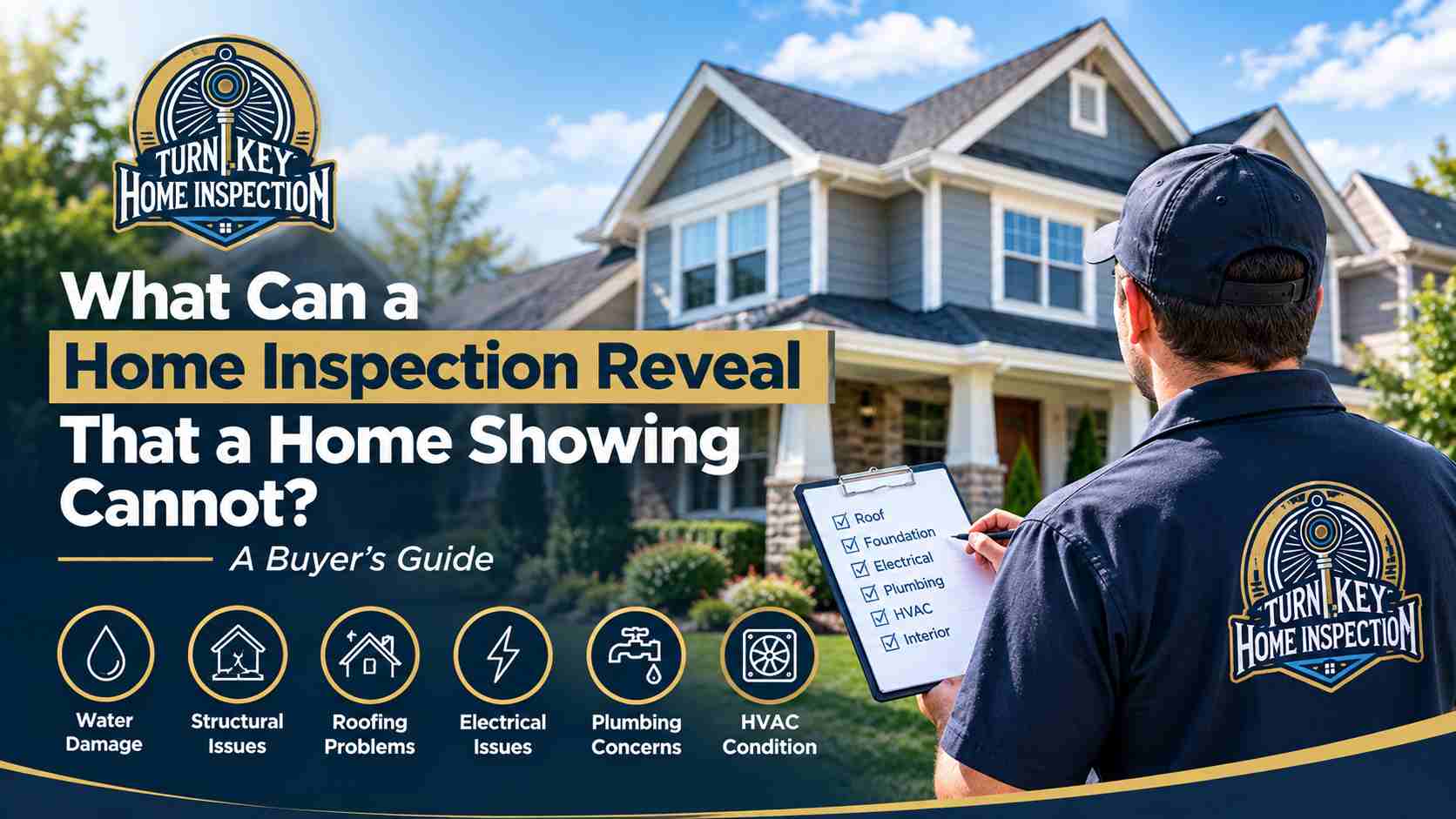
A home showing helps buyers decide whether they like a property’s location, layout, appearance, and overall feel. But a showing cannot provide the same level of evaluation as a professional home inspection.
A house can look clean and move-in ready while still having problems involving the foundation, roof, plumbing, electrical system, HVAC, drainage, or moisture. A professional inspection gives buyers a closer look at accessible components and helps identify conditions that may not be obvious during a short property visit.
For buyers considering a property in Opelousas and surrounding South Louisiana communities, a thorough property inspection before buying can provide valuable information before making a major financial commitment. Turn Key Home Inspection LLC helps buyers and sellers understand the condition of a property through detailed residential and specialized inspection services.
What Does a Home Inspection Reveal That a Showing Cannot?
A showing is primarily a visual experience. Buyers usually focus on the home’s appearance, room sizes, finishes, appliances, and overall suitability.
A professional home inspection reveals a different level of information. The inspector evaluates accessible structural components, major systems, and visible conditions that could affect the property’s performance, safety, and maintenance needs.
Some problems may be easy to miss during a showing because they are located in less visible areas such as attics, crawl spaces, electrical panels, under plumbing fixtures, or around the roof system.
Hidden Water Damage and Moisture Problems
Water damage is one of the most important home inspection findings that may not be obvious during a showing.
A seller may repaint a stained ceiling or repair a visible wall mark without addressing the source of the moisture. During an inspection, observable signs such as staining, deterioration, musty odors, moisture patterns, drainage concerns, or visible evidence of previous leaks can indicate that further evaluation may be necessary.
Moisture can affect drywall, framing, flooring, insulation, roofing components, and other building materials. Identifying these concerns before closing gives buyers a better understanding of the property’s condition.
Structural and Foundation Problems
Structural issues can be difficult for buyers to recognize during a normal walkthrough. A professional residential home inspection can identify observable concerns involving walls, floors, framing, foundations, and other accessible structural components.
Inspectors may look for conditions such as:
- Cracks or unusual movement
- Uneven or sloping floors
- Warping or buckling
- Deteriorated materials
- Visible signs of moisture around structural areas
- Other conditions that may warrant specialist evaluation
Not every crack indicates a major structural problem. The important point is that an inspection documents observable conditions and can help determine whether additional evaluation is recommended.
Attic and Crawl Space Conditions
Attics and crawl spaces are often overlooked during a home showing, yet they can reveal important information about a property’s condition.
An attic inspection may identify visible moisture, insulation concerns, ventilation issues, roof leaks, damaged materials, or other conditions.
A crawl space inspection can reveal standing water, moisture conditions, visible deterioration, pest activity, or concerns with accessible supports and drainage.
Because these areas can affect the overall condition of the home, including them in a property inspection can give buyers a more complete picture than a standard showing.
Roof Problems That Are Easy to Miss
Most buyers view the roof from the ground during a showing. That provides only limited information.
A professional inspection can evaluate accessible and observable roofing components, including shingles, flashing, drainage components, roof penetrations, and visible signs of deterioration.
Potential home inspection red flags can include damaged or missing shingles, improper flashing, visible roof deterioration, moisture staining, and drainage problems.
Roof concerns can be especially important because a relatively small defect may contribute to moisture intrusion over time.
HVAC Problems Beyond Basic Operation
An HVAC system may turn on during a showing and appear to work normally. However, that short demonstration does not provide the same level of information as a professional inspection.
An HVAC evaluation can include accessible components, visible ductwork, controls, air distribution, and other observable conditions.
A buyer may not notice poor duct connections, visible deterioration, drainage concerns, or other system conditions during a brief visit. Identifying observable HVAC problems can help buyers better understand potential maintenance needs and determine whether specialist evaluation is necessary.
Electrical Issues Hidden Behind Modern Finishes
Modern lighting, updated outlets, and attractive fixtures can make an electrical system appear perfectly safe during a showing.
A professional inspection can evaluate accessible electrical components such as the panel, wiring, outlets, switches, grounding, and visible safety devices.
Possible electrical problems in a home may include damaged components, improper installations, missing safety protection, or other visible conditions that deserve attention.
Because electrical issues can create safety concerns, buyers should not rely only on appearances when evaluating a property.
Plumbing and Drainage Problems
Plumbing problems are another area that can remain hidden during a showing. A property may have clean bathrooms and attractive fixtures while still experiencing leaks, drainage issues, or other plumbing concerns.
A home inspection can evaluate accessible supply lines, fixtures, water pressure, drains, water heaters, and other visible plumbing components.
Buyers should also pay attention to signs such as water staining, slow drainage, unusual odors, or moisture around plumbing fixtures. Depending on the property’s condition, a sewer scope inspection may also be appropriate to evaluate the interior of an underground sewer line.
What Is Included in a Home Inspection?
A professional home inspection generally evaluates accessible areas and major components of the property. The specific scope can vary based on the property and inspection agreement.
A typical home inspection checklist for buyers may include:
| Inspection Area | Common Items Evaluated |
|---|---|
| Exterior | Siding, doors, windows, grading |
| Roof | Shingles, flashing, drainage |
| Structure | Foundation, walls, floors, framing |
| Attic | Insulation, ventilation, moisture |
| Crawl Space | Moisture, supports, visible conditions |
| Electrical | Panel, wiring, outlets, safety devices |
| Plumbing | Supply lines, drains, fixtures |
| HVAC | Equipment, controls, visible components |
| Interior | Walls, ceilings, floors, doors, windows |
| Safety | Visible hazards and safety components |
The purpose is not to make a property look perfect. The goal is to document observable conditions and give buyers information they can use when making decisions.
Why a Home Inspection Matters Before Buying
A pre-purchase home inspection can help buyers understand what they are actually purchasing rather than relying solely on appearances.
Inspection findings may help a buyer:
- Understand the condition of major home systems
- Identify problems that need attention
- Plan for future maintenance
- Request appropriate repairs
- Seek specialist evaluation when necessary
- Make a more informed purchasing decision
An inspection report also gives buyers a documented record of the inspector’s observations, which can be useful when discussing property concerns with a real estate professional.
Final Thoughts
A home showing can tell buyers whether a property looks and feels right, but it cannot replace a professional inspection. A thorough home inspection reveals observable issues involving the structure, foundation, roof, attic, crawl space, plumbing, electrical system, HVAC, moisture, and other major components that may be overlooked during a showing.
For buyers in Opelousas and surrounding South Louisiana areas, Turn Key Home Inspection LLC provides professional inspection services designed to help clients make informed property decisions.
Call (337) 351 7241 or email turnkeyhi@gmail.com to learn more about scheduling a home inspection.
Frequently Asked Questions
Why do I need a home inspection before buying a house?
A professional inspection can identify observable conditions and potential problems that may not be apparent during a showing. It helps buyers better understand the property’s condition before purchasing.
What does a home inspection check?
A home inspection can evaluate accessible structural components and major systems, including the roof, foundation, attic, crawl space, electrical system, plumbing, HVAC, interior, exterior, and visible safety conditions.
Can a home inspection find hidden problems?
An inspection can identify observable signs of conditions that may not be obvious during a showing. Some concealed or inaccessible problems may require additional testing or evaluation by a qualified specialist.
Is a home inspection worth it?
For many buyers, an inspection provides valuable information about the condition and maintenance needs of a property before a major financial commitment is made.
How long does a home inspection take?
Inspection time varies according to the property’s size, age, condition, and scope. A typical inspection may take several hours.